Fragile goods logistics: how to protect products during storage and handling

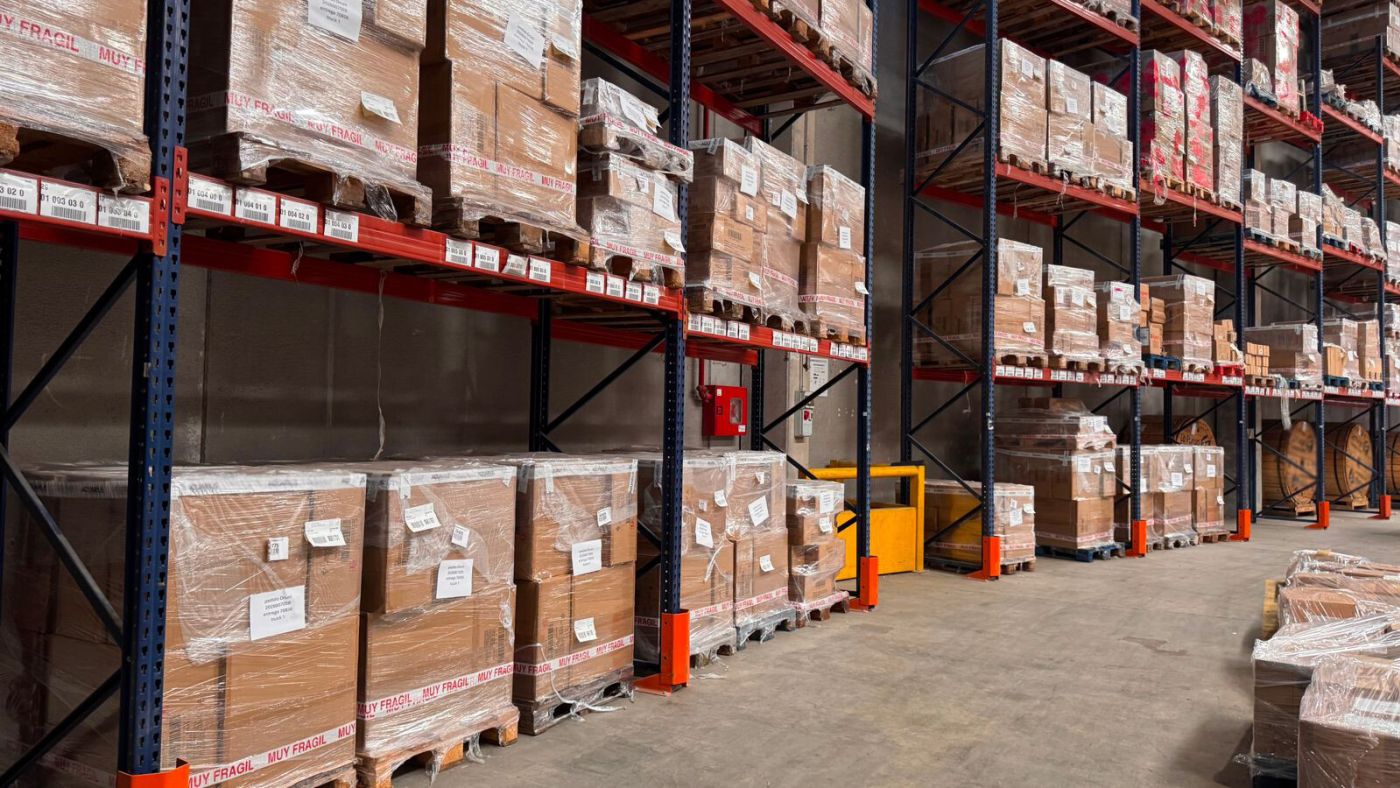
Managing fragile products in a warehouse requires a different approach from that used for other types of goods. Glass, delicate components, lighting products, decorative items, electronics and certain industrial parts can be damaged if their specific characteristics are not taken into account throughout the operation. In these cases, it is necessary to assess how the goods arrive, what type of packaging is used, how they should be handled and which routes they will follow within the warehouse until dispatch. A well-defined operation helps reduce unnecessary movements and limit the points at which incidents may occur.
Storing fragile products starts with understanding the goods
Before defining any logistics operation, it is essential to understand the product’s characteristics and handling requirements. Managing easily stackable goods is not the same as working with products that must remain in a specific position, have particularly sensitive areas or require more careful handling during movement.
Other factors must also be considered, including the volume and weight of each item, expected stock turnover and handling frequency, as all of these factors influence how storage and logistics operations should be organised.
At Nordlogway, this analysis forms part of the initial planning process for every operation. Understanding the product and the client’s specific circumstances makes it possible to define tailored storage and handling processes, particularly when working with goods that require more careful control.
Reducing incidents also means protecting customer service
When a product reaches its destination damaged, the impact of the incident goes far beyond the value of the goods. It may lead to a return, a new order preparation process, a second shipment and additional time spent on administrative management.
It can also have a direct impact on the end customer’s experience. Companies working with fragile products therefore need a logistics operation capable of maintaining control throughout the entire process.
Storage, handling and order preparation are all part of the service that a brand ultimately provides to its customers, even though many of these processes take place far from the point of sale.
Nordlogway works with logistics operations adapted to the characteristics of each type of goods. In projects involving fragile or delicate products, the objective is to define processes that support proper handling, reduce the risk of incidents and maintain operational reliability.
Managing fragile products requires space, but above all, it requires product knowledge, organisation and the ability to adapt logistics processes to each specific situation.