Technology Applied to Logistics: Interview with Jaume Rovira, Head of Systems at Nordlogway

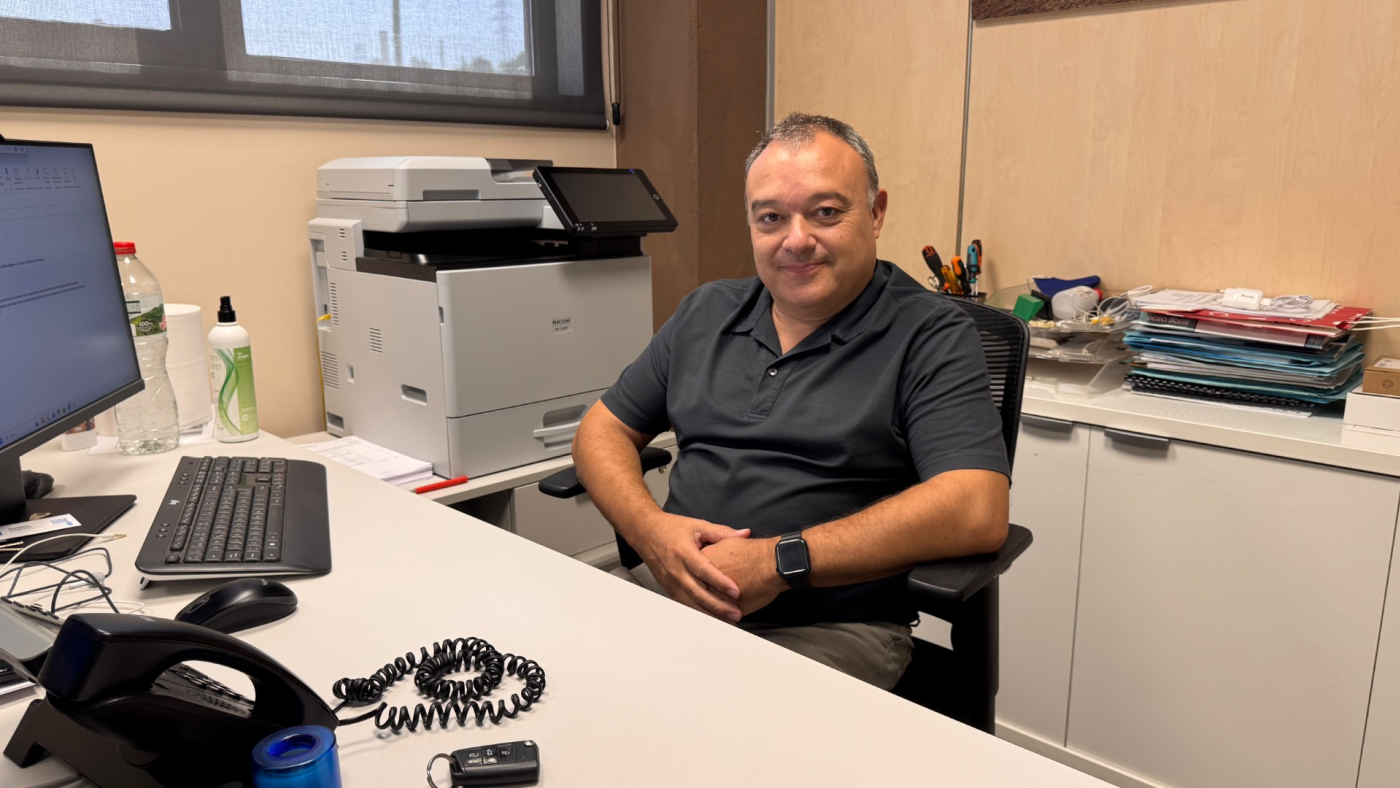
Technology has become an essential part of any logistics operation. Systems integration, process automation and goods traceability help reduce errors, improve efficiency and provide customers with increasingly comprehensive information about their operations.
In this article, we speak with Jaume Rovira, Head of Systems, Security and Occupational Risk Prevention at Nordlogway, to learn more about the role of the IT department within the company, the technology projects currently being developed and the main challenges facing the logistics sector.
What is your main responsibility as Head of IT at Nordlogway?
My main responsibility is to stay up to date with everything related to information technology and to analyse how each new development could be applied within Nordlogway. Technology evolves very quickly, and new tools, software and solutions are constantly emerging. It is therefore important to understand them and determine which ones can help us improve our operations and the service we provide to our customers.
In a logistics operator such as Nordlogway, what role does the IT department play in day-to-day operations?
The IT department plays a fundamental role in our daily activity. Technology enables us to automate processes, reduce manual tasks and ensure complete traceability across logistics operations. IT systems help us monitor the movement of goods, record information for each operation and ensure that the different teams can work with up-to-date data.
What sets Nordlogway apart from other logistics operators in terms of technology?
Our ability to provide a personalised service and adapt our technology solutions to the needs of each customer. Not all companies work in the same way or need to receive information in the same format. We therefore analyse their processes, systems and requirements to identify the best way to integrate their logistics operations.
How do you integrate Nordlogway’s systems with customers’ systems?
Through close collaboration with the customer. Before launching an integration, it is necessary to understand how each company operates, what information needs to be exchanged and what objectives it wants to achieve. It is also important to explain the benefits of the process. Systems integration helps minimise errors, avoid duplication and standardise the traceability of goods.
What benefits does systems integration bring to a logistics operation?
Integration allows information to move from one system to another without the need to enter data manually into each platform. This helps reduce administrative errors, speed up order preparation and improve the tracking of goods. It also enables customers to access up-to-date information about their shipments, stock levels and logistics movements.
What technological challenges does e-commerce logistics present?
One of the main challenges is achieving an effective integration that allows the logistics operator to become another link in the distribution chain. Systems must be able to receive orders, process them and transmit information quickly. In addition, operations must meet very short delivery times and manage volumes that can vary considerably depending on campaigns, seasonality and purchasing habits.
What are the main technological challenges in the life sciences sector?
There are also very high requirements in terms of delivery times and goods traceability. In addition, companies in the sector increasingly require more information to analyse logistics performance. This involves generating, organising and sharing data about completed processes, operating times and other relevant indicators. Systems must be able to provide this information in a reliable and structured way so that customers can evaluate the service and make data-driven decisions.
What technological challenges will the logistics sector face in the short and medium term?
One of the main challenges will be making the right technology investment decisions. There is currently a wide range of solutions available, and technology is developing very rapidly. As a result, a significant investment may become obsolete within a relatively short period if its application has not been properly assessed.
It is therefore necessary to analyse which need the solution addresses, how it will be integrated into the operation and how long it will take to generate a return on the investment.
How is technology applied to logistics evolving?
Logistics technology is evolving in three main areas: the development of new software, the application of artificial intelligence and process automation. However, for automation to be effective, the process must be sufficiently regular and remain in place for long enough to justify the investment.
At Nordlogway, we want to evolve alongside technology by incorporating solutions that provide efficiency, control and value for our customers.
How is Nordlogway applying artificial intelligence?
AI offers many possibilities, but it is important to identify the applications that can genuinely add value to the operation. Before implementing a tool, we need to understand which problem it solves, what data it requires and how it can be integrated with our current processes. The aim is not to adopt artificial intelligence simply because it is a trend, but to use it when it can improve efficiency.
How important are cybersecurity and data protection in logistics?
Nordlogway holds ISO 27001 certification and has complied with the requirements of the NIS2 Directive since 2025. This enables us to manage information security through processes, controls and tools designed to reduce technological risks, protect data and ensure operational continuity. For our customers, this means working with a logistics operator that considers security and reliability to be essential parts of the service.
What objectives would you like to achieve in the medium term within your area of responsibility?
The objective is to continue making progress in all these areas: identifying useful applications of artificial intelligence, improving integration with customers’ systems, making better use of data analysis tools, strengthening cybersecurity and implementing management systems that enable us to monitor operations more effectively.
For Nordlogway, technological progress means selecting solutions that respond to specific needs, can be integrated into operations and deliver measurable improvements.